- 30-Mar-2026
Countries fragment global payment systems to reduce international dependence
Domestic and regional payment networks are replacing unified global systems, creating varied fees, exchange rates and slower cross... Read more

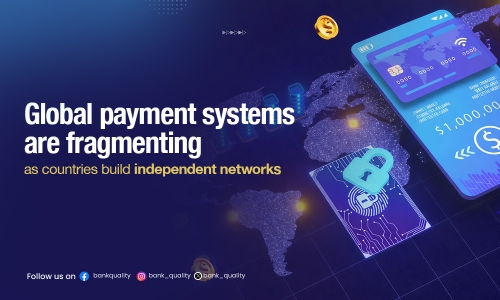
Domestic and regional payment networks are replacing unified global systems, creating varied fees, exchange rates and slower cross... Read more

Several major banks in markets such as the United States, the United Kingdom, Africa and the Middle East are increasing minimum ba... Read more
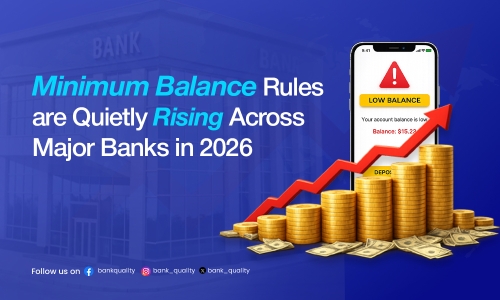
Banks in the United States, the United Kingdom and Australia are increasing minimum balances to reflect higher costs and digital b... Read more

Banks in Canada, the United Kingdom (UK) and Australia offer newcomer accounts without local credit history, although credit acces... Read more

Foreign transaction fees and exchange rate markups silently increase the cost of overseas spending. Travellers who understand how ... Read more
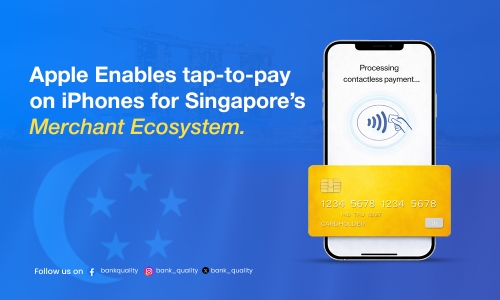
Apple’s launch of tap-to-pay on iPhones in Singapore highlights a broader shift toward software-led payment acceptance, with imp... Read more

Holiday shopping has triggered a big jump in e-payments across Singapore, with PayNow seeing record usage as consumers increasingl... Read more
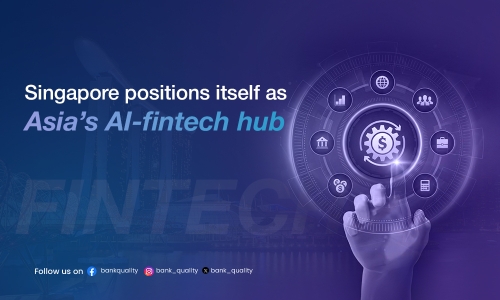
Singapore advances as Asia’s AI-fintech centre, driving smarter, faster and more inclusive banking ahead of 2026 growth.... Read more
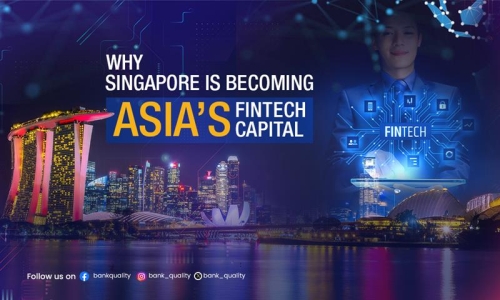
Singapore’s strong regulation, digital infrastructure and pro-innovation policies have positioned it as one of Asia’s most tru... Read more
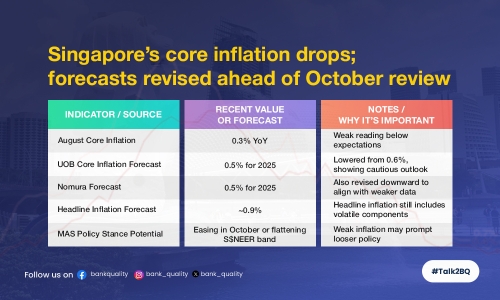
Singapore’s core inflation eased sharply to 0.3% in August 2025, leading banks and economists to cut their forecasts and heighte... Read more
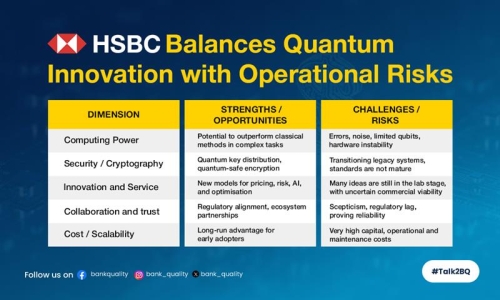
HSBC’s launch of its Quantum Centre of Excellence in Singapore marks a pioneering move in financial innovation, aiming to harnes... Read more

Fintechs provide speed and innovation, banks offer trust and stability, and together they deliver faster, smarter and secure finan... Read more