- 16-Apr-2026
Students accelerate credit building abroad
Students moving abroad often start without a credit history, but access to entry-level products, consistent repayment behaviour an... Read more


Students moving abroad often start without a credit history, but access to entry-level products, consistent repayment behaviour an... Read more

Domestic and regional payment networks are replacing unified global systems, creating varied fees, exchange rates and slower cross... Read more

Geopolitical tensions in the Middle East and surrounding regions are driving higher everyday banking costs worldwide, as inflation... Read more

Real-time payment systems are accelerating transactions globally, but limited reversibility increases retail customer risk and res... Read more

Several major banks in markets such as the United States, the United Kingdom, Africa and the Middle East are increasing minimum ba... Read more
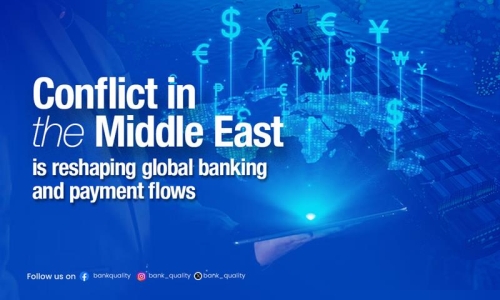
Geopolitical instability in the Middle East is affecting the international financial systems, causing payment delays, currency vol... Read more
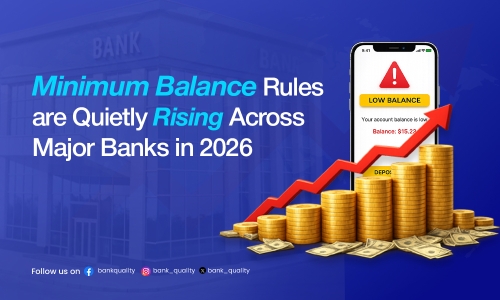
Banks in the United States, the United Kingdom and Australia are increasing minimum balances to reflect higher costs and digital b... Read more

Banks in Canada, the United Kingdom (UK) and Australia offer newcomer accounts without local credit history, although credit acces... Read more
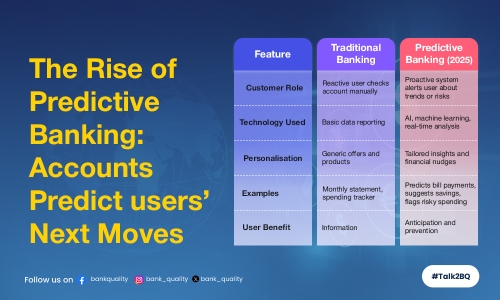
Predictive banking uses AI and data to anticipate spending, saving and financial needs, helping customers act ahead of time while ... Read more
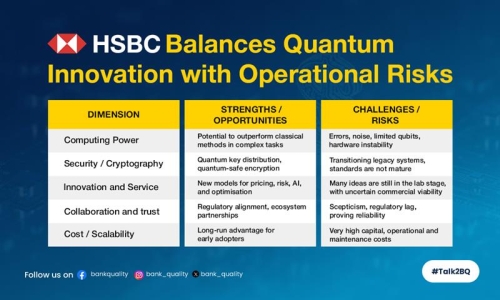
HSBC’s launch of its Quantum Centre of Excellence in Singapore marks a pioneering move in financial innovation, aiming to harnes... Read more
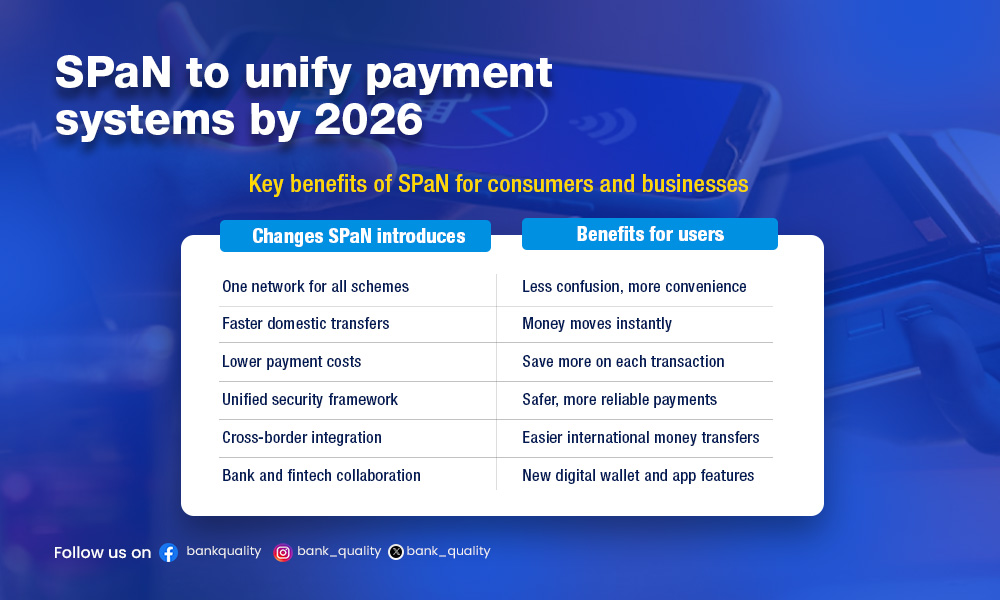
Singaporeans will use a single, unified platform by 2026 for PayNow, FAST, GIRO, and SGQR, enabling faster, cheaper, and more... Read more
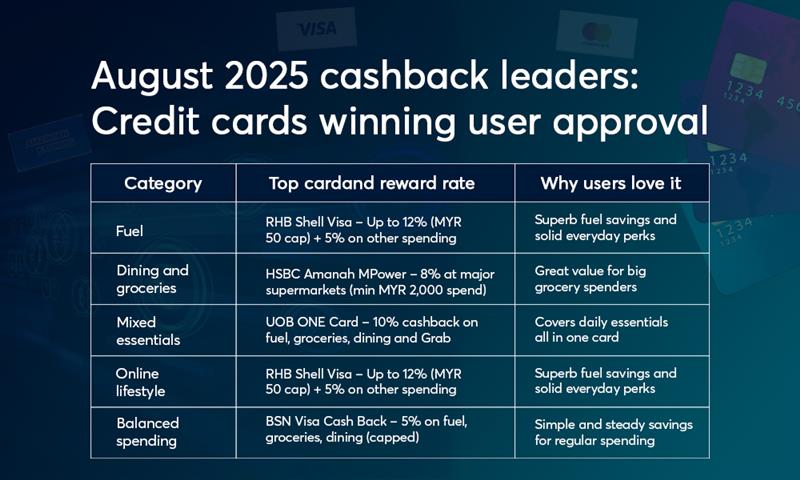
In mid-2025, consumer spending is in full swing again. From daily errands and dining out to travel and online shopping, users want... Read more